
Discover the Journey of Wilderness Lake Retreat
Our Story Through Time
From a vision to reality, explore the milestones that shaped our tranquil haven.
Nineteen Fifties
The Founding Vision
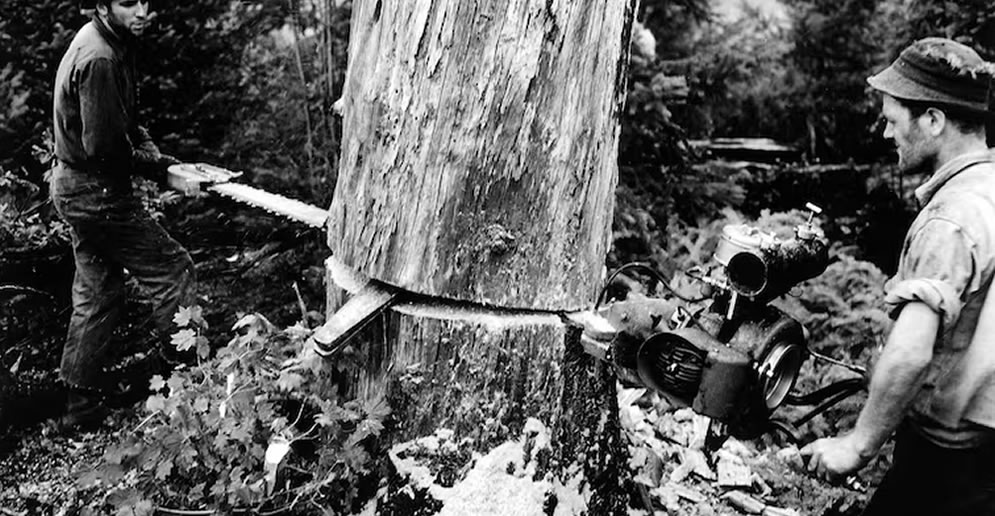
In the late 1950s, a group of rugged loggers working deep within the Mount Jefferson Wilderness stumbled upon something extraordinary—a pristine hidden lake tucked away in the quiet valleys of Central Oregon. To many, it might have been just another beautiful landmark in the vast Oregon wilderness, but to these men it was a revelation. They saw more than still waters and tall pines; they envisioned a place where children could escape the bustle of everyday life, grow in faith, and experience the beauty of God’s creation.
The idea of a kids’ camp on the lake’s shores quickly took root. The dream, however, required more than enthusiasm. First, permits had to be secured to cut a road through the rugged forest so the site could be reached by vehicles. It was no small undertaking. Constructing access to the lake demanded both vision and determination, but the founders pressed on, convinced they were building something that would last for generations.
Their vision resonated beyond the logging camps. Soon, nine Central Oregon churches united around the dream, pooling resources, volunteers, and prayers. Together, they formed the Round Lake Christian Camp nonprofit, an organization committed to establishing a permanent home for youth ministry in the wilderness. Their collective effort embodied the spirit of community, each congregation bringing its own strengths and support to the table.
With the nonprofit established, the group approached the U.S. Forest Service and successfully secured a long-term lease for the property. This pivotal step transformed the vision into a tangible reality. What began as a discovery by a few outdoorsmen had blossomed into a faith-driven movement supported by multiple congregations, ready to build something enduring.
The founding of Round Lake Christian Camp was not simply about creating cabins and trails. It was about cultivating a sacred space where young people could build character, form friendships, and grow spiritually. That hidden lake, once known only to a handful of loggers, became the heart of a community’s mission—a place where faith and wilderness would come together to shape lives for decades to follow.
Nineteen Sixties
The First Camps
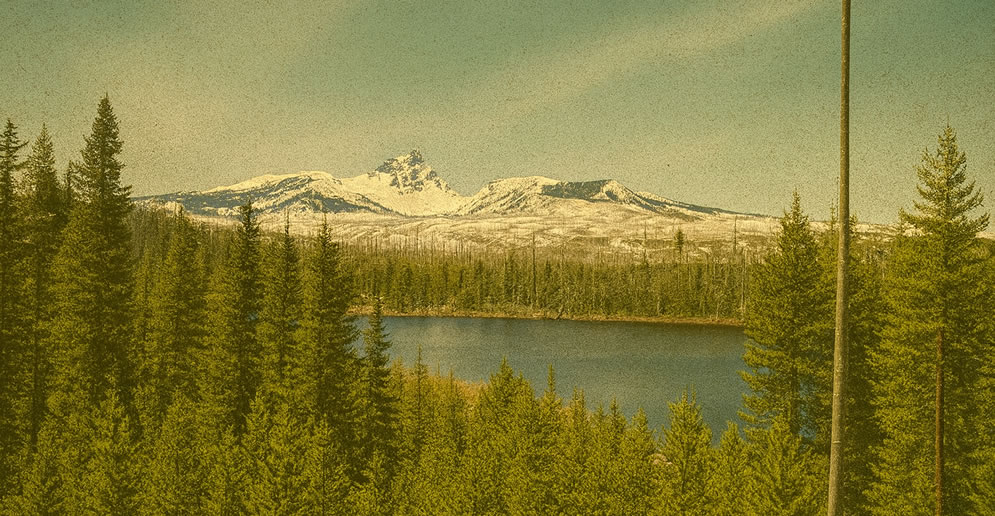
The 1960s marked the true beginning of Round Lake Christian Camp, a time of vision, hard work, and new traditions that would shape the camp for decades to come. After years of planning and determination, the early part of the decade saw the completion of the original lodge. This building quickly became the heart of camp life, a place where meals were shared, stories were told, and friendships began to form. Its construction represented more than just walls and a roof—it symbolized the fulfillment of a dream to create a space where young people could gather in fellowship, surrounded by the beauty of the Mount Jefferson Wilderness.
When the first camps were held, facilities were still modest. Campers pitched tents near the lake, living simply and enjoying the rugged outdoor setting. The rustic environment was part of the charm, offering a true wilderness experience. Soon after, the tents gave way to small, rustic cabins that provided shelter while still maintaining the adventurous feel of camp. These early summers were filled with laughter, worship around the campfire, and the excitement of building something new together.
As the camp grew, so did its facilities. A shower house was added, offering welcome comfort after long days of hiking, swimming, and outdoor activities. A small meeting hall was built, giving campers and leaders a dedicated space for teaching, Bible study, and indoor gatherings. The creation of an outdoor amphitheater was another milestone of the 1960s, blending perfectly with the natural surroundings. Here, campers could worship under the open sky, surrounded by towering trees and the quiet stillness of the wilderness.
By the end of the decade, Round Lake Christian Camp had transformed from a simple vision into a thriving ministry. What began with tents and dreams now had the foundation of a permanent camp, complete with essential facilities that would serve generations to come. The 1960s were not only about construction and expansion—they were about planting seeds of faith, community, and adventure that continue to flourish today.
Nineteen Seventies

The Expanding Camp
The 1970s marked a period of exciting growth and transformation for the camp. What had begun in the previous decade as a modest retreat tucked away in the wilderness was now blossoming into a vibrant space that could welcome more campers and create a stronger sense of community. With an ever-growing number of children and church groups eager to experience the rustic charm of the camp, leaders knew it was time to expand both comfort and capacity.
One of the most notable additions of the decade was the construction of a shower house. While tents and cabins provided shelter, campers had long made do with limited facilities for personal care. The new shower house offered a welcome improvement, providing clean, reliable amenities that elevated the overall camp experience. For young people spending days hiking, swimming, and exploring, this was more than just a convenience—it represented a real investment in health, comfort, and the feeling of being cared for during their stay.
Alongside the shower house, a small meeting hall was also built. This space became the beating heart of camp gatherings, a place where groups could share stories, plan activities, and join together for devotionals or rainy-day lessons. The meeting hall allowed for flexible use, serving as a classroom, fellowship space, or even a venue for camp leadership to plan the future. It symbolized the camp’s growing role as not just a recreational site, but a place of teaching, reflection, and personal growth.
Perhaps the most inspiring addition of the 1970s was the creation of an outdoor amphitheater. Nestled against the natural backdrop of the forest and lake, the amphitheater gave campers a place to come together under the open sky for worship services, skits, and evening programs. It captured the essence of camp life—combining faith, friendship, and the beauty of the outdoors into one unforgettable setting.
By the end of the 1970s, the camp was no longer simply a rustic retreat; it had become a well-equipped sanctuary where young people could connect with nature, strengthen their faith, and build lasting relationships. The expansions of this era laid the groundwork for the thriving camp community that would continue to flourish in the decades ahead.
Nineteen Eighties
Refining Our Camp
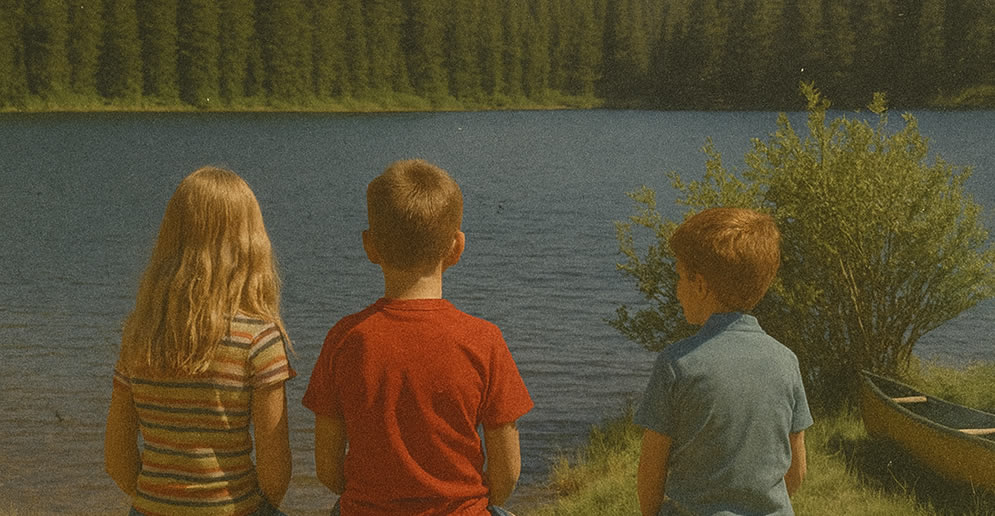
The 1980s marked an important chapter in our camp’s story—a decade defined not only by growth but by a conscious refinement of how we served the community. After the pioneering days of the 60s and 70s, when the focus was on building cabins, meeting halls, and creating the basic framework for programs, the 80s gave us the chance to pause, assess, and strengthen the foundation we had laid.
Serving the community was always at the heart of the camp’s mission, but during this period it became more intentional. Leaders, staff, and volunteers recognized that it wasn’t just about offering a place to gather in the mountains—it was about creating an experience that shaped lives. With this perspective, systems were refined to ensure that every camper, from young children to adult retreat groups, felt welcomed, safe, and inspired.
One of the most significant developments of the decade was the improvement of program structure. Camp directors began emphasizing consistency and quality in activities, ensuring that every camper had meaningful opportunities for spiritual growth, outdoor adventure, and lasting friendships. Schedules were streamlined, meals became better organized, and staff training received new attention. These refinements made the camp experience more dependable and enjoyable for all who attended.
The 1980s also brought a renewed focus on outreach. Local churches and community organizations were encouraged to make the camp their own by hosting retreats, workshops, and youth gatherings. This broadened the camp’s role beyond summer programs and into a year-round hub of fellowship and connection. Each event reinforced the idea that the camp existed not for itself, but as a service to the wider community.
By the end of the decade, the camp had become more than just a rustic getaway in the wilderness. It was a place where the community found encouragement, where children discovered confidence, and where lasting relationships were formed. The refinements of the 1980s ensured that the camp remained faithful to its mission: to serve, strengthen, and uplift the community it was built for.
Nineteen Nineties
Storm Damage
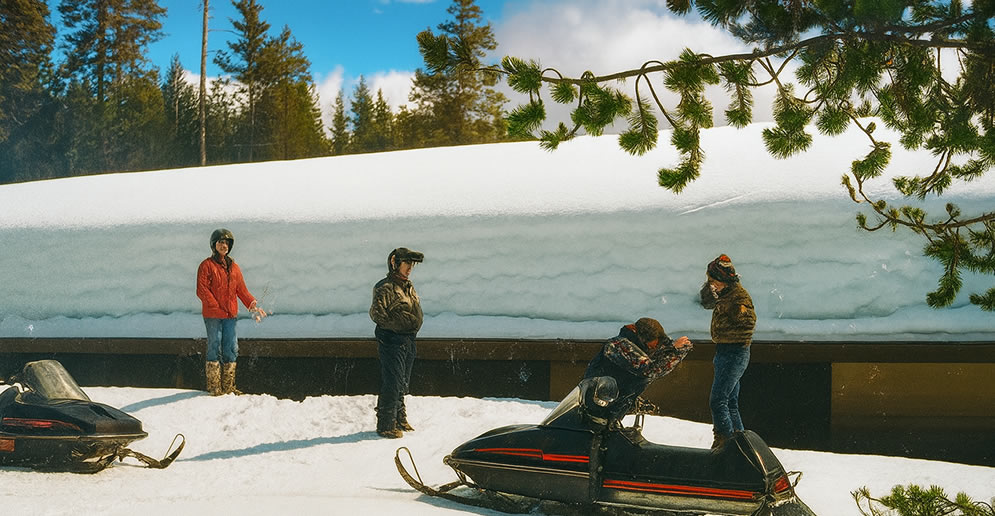
In the winter of 1999, a fierce snowstorm swept through the Mount Jefferson Wilderness, leaving a trail of destruction in its wake. Among the hardest hit structures was the camp’s beloved old lodge, a centerpiece that had served as a gathering place for countless groups and activities. Built decades earlier, the lodge stood as both a functional hub and a symbol of the camp’s enduring spirit. But when the heavy snow piled onto its aging roof, the weight became too much, causing severe structural damage that shook the community to its core.
The damage was not just physical—it was emotional. For many, the lodge represented more than wood and nails. It held memories of summer retreats, youth gatherings, and shared stories around warm fires. To see it weakened by the relentless forces of nature was a sobering reminder of how vulnerable even the most cherished places can be.
In the aftermath, immediate repairs were made. Dedicated volunteers and skilled workers worked tirelessly to reinforce the compromised structure, patching the most critical weak points so the lodge could continue to function. Their efforts reflected a determination not to let the storm erase a piece of history. Despite these measures, however, the building never fully regained its former strength. The repairs extended the lodge’s life, but its bones had been shaken.
This lingering vulnerability became a concern for everyone invested in the camp’s future. Each new winter carried with it the worry that another heavy snowfall could once again threaten the lodge. Although the repairs bought time, they also underscored a pressing reality: the structure’s long-term survival was uncertain.
The 1999 storm served as both a challenge and a lesson. It highlighted the resilience of the community and the value placed on preserving its history, but it also revealed the ongoing battle between human craftsmanship and nature’s power. While the lodge endured beyond that winter, the memory of its fragility lingered, reminding everyone that stewardship of such places requires vigilance, planning, and sometimes the courage to rebuild anew.
Two Thousands
Fire and Renewal
The story of Wilderness Lakes Retreat is one of resilience, faith, and transformation in the face of fire and loss.
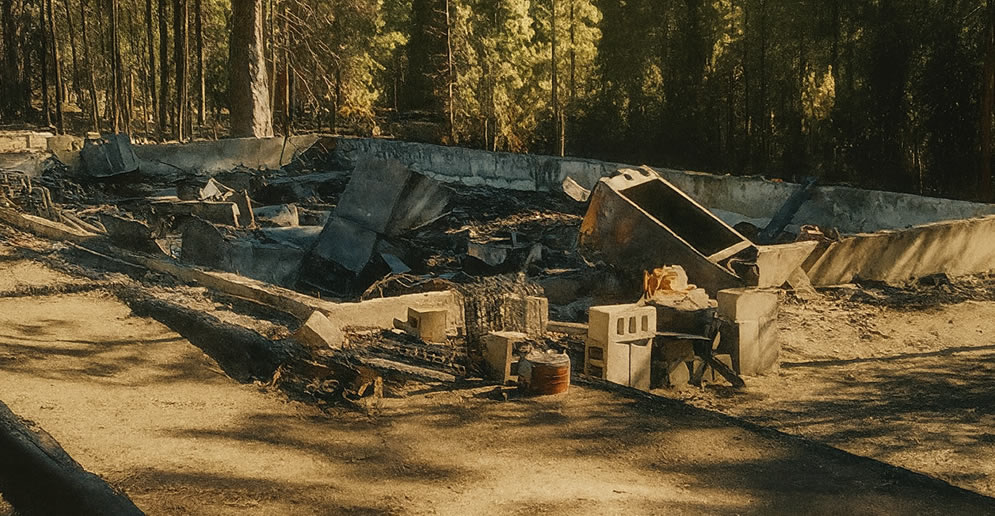
In 2001, the camp faced its first major trial when the original lodge collapsed under the crushing weight of winter snow. Rather than give in to defeat, the community rallied together. The damaged structure was carefully deconstructed, the foundation enlarged, and in its place a new log lodge began to rise. This lodge would soon become the heart of the camp, a symbol of renewal and strength.
Just two years later, in 2003, another devastating blow struck. The B & B Fire swept through Central Oregon, consuming more than 90,000 acres of forest. Flames tore across the camp, destroying rustic cabins and the small meeting hall that had served generations of campers. Yet, in what many still describe as miraculous, the newly built lodge stood firm. The fire reached within mere feet of its walls but left the structure untouched. Despite this blessing, the damage across the property was immense. The camp was forced to close for two years while crews worked tirelessly to clear debris and complete the new lodge.
The spirit of perseverance carried the retreat into a new era. In 2008, a new log bunkhouse rose from the ashes, replacing the cabins that had been lost in the fire. This marked not just physical rebuilding but also a new chapter in the camp’s identity. No longer simply a summer destination for children, the organization embraced a broader vision. With a new name—transitioning from Round Lake Christian Camp to Wilderness Lakes Retreat—the camp began its evolution into a year-round retreat center.
The story of Wilderness Lakes Retreat is a powerful reminder that out of fire comes renewal. What began as tragedy became the foundation for growth, allowing the camp to expand its mission, welcome new generations of visitors, and continue serving as a place of refuge, community, and hope.
Two Thousand Tens
Growth and Vision
Wilderness Lakes Retreat has always been a place where people could step away from the busyness of life and reconnect with what matters most. Over the years, this special destination has continued to evolve, growing not only in its facilities but also in its mission. What began as a retreat centered primarily around youth camps has steadily broadened its scope, becoming a haven for families, organizations, and community groups seeking renewal, connection, and purpose.
Expanding Facilities and Services
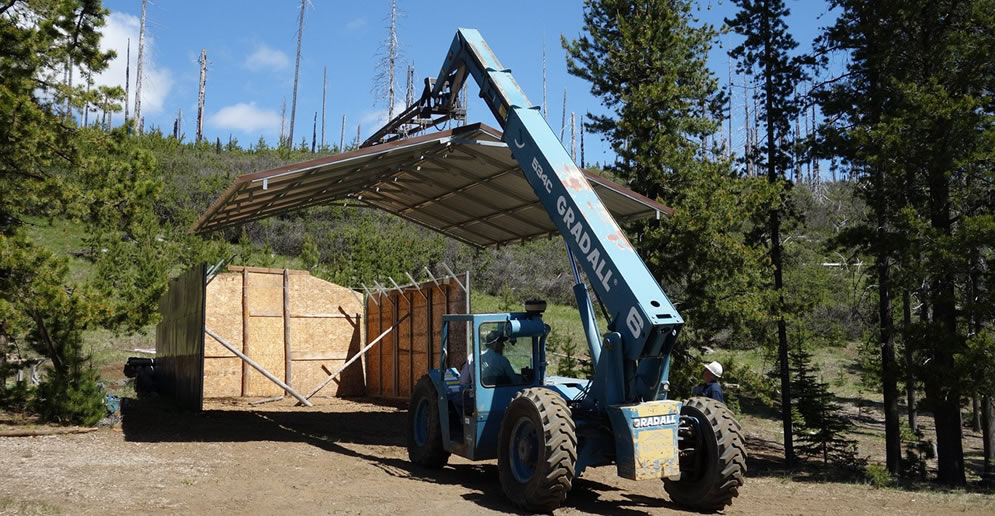
Recent years have brought an intentional focus on growth. The retreat’s leadership has recognized that to remain vibrant, the camp must continue to expand its offerings. From updating lodging and recreational areas to improving meeting spaces and amenities, every enhancement is designed to ensure that guests have the tools and environment they need for rest and reflection. These upgrades not only increase comfort but also open the door for hosting a wider variety of events, ranging from church retreats and school gatherings to family reunions and corporate team-building sessions.
Two Thousand Twenties
Vision for Renewal and Community
A Broader Vision
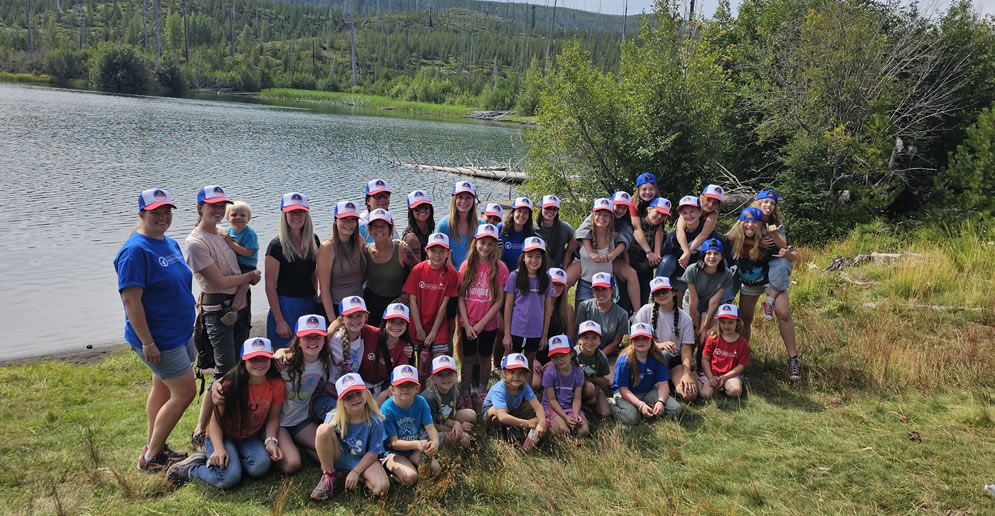
The vision for Wilderness Lakes Retreat has grown beyond its original framework. While youth remain a central part of its mission, the retreat now sees itself as a place where people of all ages can gather. Families come to strengthen bonds, organizations come to recharge and re-focus, and individuals find a place to reset in the peace of nature. This shift reflects a commitment to inclusivity, ensuring that the retreat is a resource for everyone who seeks renewal, not just one segment of the community.
Looking Ahead
Plans are already underway to refresh existing facilities and expand the retreat’s role as a gathering place. This includes exploring new program offerings, enhancing outdoor spaces, and adding features that will serve the growing diversity of visitors. The vision is clear: to be more than just a camp, but a destination where community, faith, and personal growth intersect.
Wilderness Lakes Retreat’s growth is more than physical—it is a deepening of purpose. By widening its vision and investing in its future, the retreat continues to honor its roots while stepping confidently into a broader role as a hub of renewal and community for generations to come.
Our Vision and Values
At Wilderness Lake Retreat, our mission is rooted in a simple yet powerful idea: creating a sanctuary where every guest can step away from the demands of daily life and rediscover a deeper connection with both nature and themselves. Nestled within the breathtaking beauty of the Mount Jefferson Wilderness, our retreat offers more than a destination—it provides an experience of peace, renewal, and balance.
We believe that time spent in nature restores the soul. Surrounded by towering evergreens, pristine waters, and the serenity of untouched wilderness, visitors are invited to slow down, breathe deeply, and embrace the stillness that so often escapes us in the rush of modern living. This environment allows guests to reflect, recharge, and reconnect with what truly matters, whether that be personal well-being, stronger family bonds, or a renewed sense of purpose.
Our commitment extends far beyond offering a scenic backdrop. Sustainability is at the heart of everything we do. We recognize our responsibility to protect this sacred place so that future generations can enjoy its beauty. Through mindful practices—such as minimizing waste, preserving natural resources, and respecting the local ecosystem—we strive to ensure that our retreat not only provides comfort today but also safeguards the wilderness for tomorrow.
Equally important is our dedication to community. Wilderness Lake Retreat is a gathering place where individuals, families, and groups can come together to share experiences and build meaningful connections. Whether through guided outdoor activities, communal spaces for conversation, or peaceful moments of solitude, we foster a sense of belonging that enriches the lives of all who visit.
Our values are grounded in nurturing the whole person—mind, body, and spirit. We design experiences that encourage growth and reflection, from peaceful hikes and lakeside meditation to workshops that inspire creativity and wellness. Each aspect of the retreat is thoughtfully created to help guests leave not just rested, but transformed.
Ultimately, Wilderness Lake Retreat is more than just a getaway. It is a place where nature’s beauty meets intentional living, where every sunrise offers a reminder of renewal, and where every guest becomes part of a larger story—one of stewardship, peace, and unforgettable moments.
Plan Your Escape to Wilderness Lake Retreat
Ready to experience the serenity of Wilderness Lake Retreat for yourself? Whether you’re planning a family reunion, a corporate retreat, or a solo getaway, our doors are open to welcome you. Discover the perfect blend of nature and comfort, and create memories that will last a lifetime. Visit our booking page to secure your spot in this peaceful haven today!